25-11-2026
Seminario de Investigación: Human-centered BioRobotics to Understand and Restore Human Movement
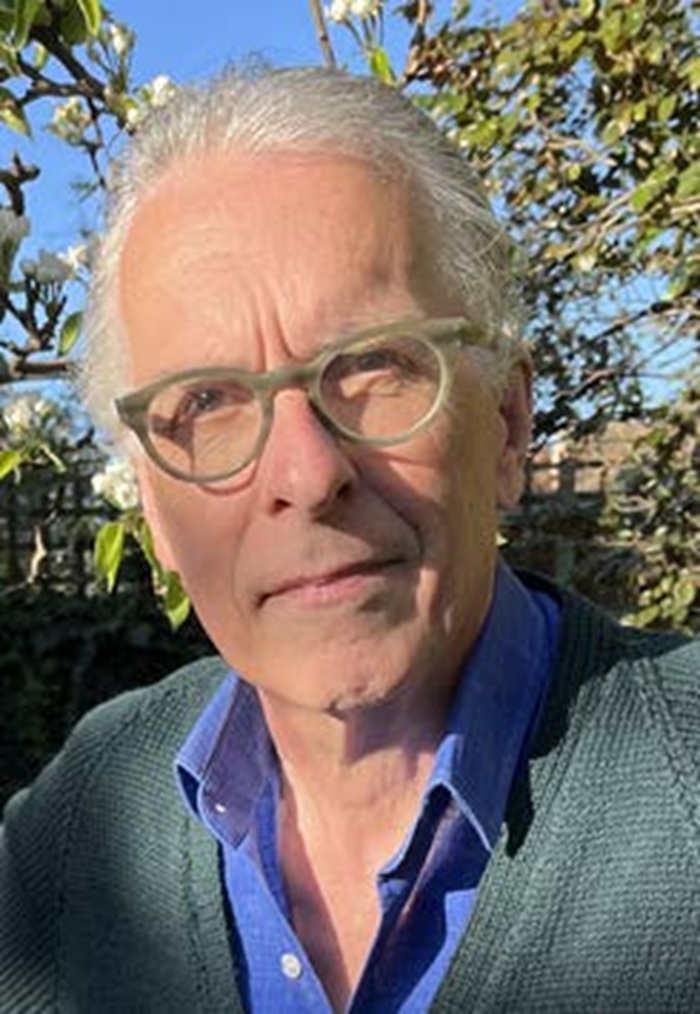
Diego Torricelli, Centre for Automation and Robotics UPM-CSIC. Madrid
Seminario de Investigación: Human-centered BioRobotics to Understand and Restore Human Movement.
Diego Torricelli, Centre for Automation and Robotics UPM-CSIC. Madrid
Summary: This talk presents the research of the BioRobotics Group, at the Centre for Automation and Robotics (CSIC-UPM) in Madrid. The group’s work has two complementary goals: understanding how humans move, drawing on insights from neuroscience, and restoring movement through rehabilitation engineering. The talk explores the group’s four complementary research lines. The first focuses on rehabilitation robots, designed to support therapy for conditions such as cerebral palsy and stroke. The second explores sensorimotor interfaces, combining wearable robots with electrical stimulation and other forms of feedback to establish closer interaction with the nervous system. The third addresses assessment and benchmarking highlighting the need for objective and reproducible methods to evaluate technologies, both in dedicated testing facilities and in patients’ everyday lives, with Parkinson’s disease as a key application. The fourth line develops digital and physical models of the human body, including robotic replicas, to study human–robot interaction and ensure the safe use of wearable technologies.
Overall, the talk illustrates how these four research lines work together to bring biorobotics out of the laboratory and into real-life settings.
Biosketch: Diego Torricelli is a researcher at the Spanish National Research Council (CSIC) and co-founder of the BioRobotics Group at the Centre for Automation and Robotics in Madrid. He holds an MSc in Mechanical Engineering and a PhD in Biomedical Engineering from the University of Roma Tre. His research aims to understand, assess and restore human movement through wearable robots, wearable sensors, with a strong focus on benchmarking. He has coordinated several European projects, including EUROBENCH. His current work focuses on two main lines: cyber-physical twins for human-exoskeleton interaction and digital biomarkers for Parkinson’s disease. He has co-authored more than 100 peer-reviewed publications.
Fecha y Hora: miércoles, 25 de noviembre de 2026, 13:00 h
Lugar: Seminario 4
PDF